

Homeschooling vs Traditional School: Pros and Cons for Parents
August 17, 2026
Best Study Habits to Teach Kids for Long-Term Success
August 19, 2026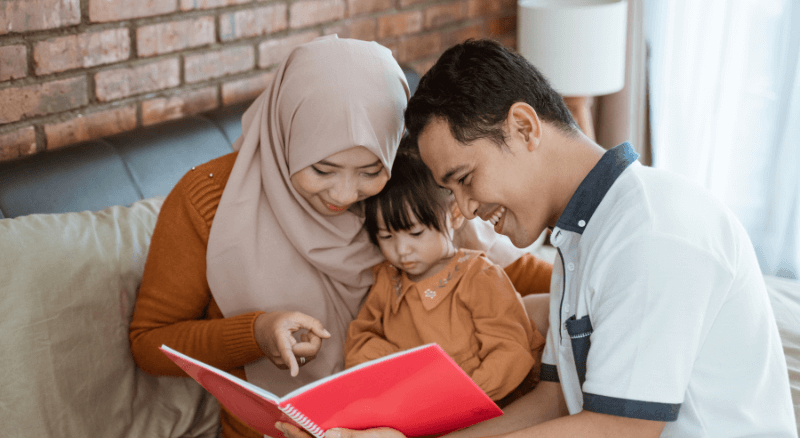
Kids learn to love reading by watching someone they love read for pleasure, by having books lying around within arm’s reach, and by getting to pick their own material without a parent vetoing it for being “too easy” or “not educational enough.” That’s basically the whole formula. Everything else is detail.
I say this as someone who grew up in a house with exactly four books, one of which was a phone book. I had to build my own reading habit from scratch at age 19, which is a miserable way to do it. So when I had kids, I paid attention to what actually worked instead of guessing.
Why do some kids grow up loving books and others don’t?
The difference usually comes down to whether reading felt like a chore or a choice in those early years. Kids who love books almost always had someone read to them daily before age 5, and they had control over what they read once they could pick for themselves.
A 2019 study from Scholastic’s Kids & Family Reading Report found that 51% of kids ages 6-17 said their favorite books are ones they picked out themselves, and frequent readers (kids who read 5-7 days a week for fun) were far more likely to say they choose their own books compared to infrequent readers. That’s not a small detail. Letting a kid read graphic novels, joke books, or the same Dog Man book for the fortieth time isn’t a failure on your part. It’s the mechanism.
The kids who don’t love reading usually had it framed as work early on — assigned books, reading logs, comprehension quizzes attached to every single thing they touched. Reading turned into homework before it ever got a chance to be fun.
Read to them before they can read themselves
Start read-aloud time in infancy, not when they hit kindergarten. Babies don’t understand the plot, but they’re absorbing the rhythm of language and, more importantly, they’re learning that you sitting down with a book means good things happen — your voice, your lap, your attention.
The American Academy of Pediatrics has recommended daily reading aloud starting from infancy since 2014, when they issued their first policy statement urging pediatricians to prescribe reading the way they’d prescribe anything else. That’s a strong signal from an organization that doesn’t usually hand out casual advice.
Keep going with read-alouds well past the age when your kid can read independently. This is the part parents mess up the most — they stop reading to a child the moment that child can sound out words alone, usually around age 6 or 7. But a 7-year-old can understand and enjoy stories that are way more complex than what they can decode on the page themselves. Reading “The Lion, the Witch and the Wardrobe” aloud to a 6-year-old opens up a book they couldn’t tackle solo for another three or four years. Don’t cut that off just because they’ve technically graduated to “chapter books.”
I kept reading aloud to my own kids until they were 9 and 10, alternating chapters with them. We got through the entire “Percy Jackson” series that way. They still bring up scenes from those books years later.
Let them pick garbage books (yes, actual garbage)
Let your kid read whatever grabs them, even if it’s a cereal box, a joke book, or the fortieth “Captain Underpants” in a row. Book snobbery kills reading habits faster than almost anything else a parent does.
I watched a friend spend two years fighting her son over graphic novels, convinced they “didn’t count” as real reading. He stopped reading altogether for most of second grade because every trip to the library became a negotiation. She eventually gave up the fight, let him load up on “Dog Man” and “Wimpy Kid,” and within a year he was picking up prose novels on his own, because he’d built the habit of reading being enjoyable rather than reading being a performance for her approval.
Graphic novels aren’t a lesser form of reading. Kids decode text, track sequential narrative, and infer meaning from context, same as with prose — they’re just doing it with images carrying part of the load. Some of the bestselling and most awarded children’s books of the last decade, like “New Kid” by Jerry Craft (the first graphic novel to win the Newbery Medal, in 2020), are graphic novels. That should settle the argument.
Make books physically unavoidable
Put books in every room your kid actually spends time in — not shelved neatly in a home office nobody visits, but on the couch, in the car, next to the toilet, in a basket by the front door. Proximity beats intention every time. A kid is far more likely to pick up a book sitting on the coffee table than one stored on a shelf in another room.
Rotate what’s around. Kids get bored of the same ten books sitting in the same spot. A monthly trip to the library, even just to swap out a stack of 8-10 books, keeps the options fresh without costing anything. Most library systems in the U.S. let you check out 20-plus items at a time on a kid’s card, so there’s no real reason to be precious about it.
Here’s a rough setup that’s worked in our house for years:
- Car door pocket: two or three thin paperbacks for waiting-room and drive-time reading.
- Bathroom basket: joke books, “Guinness World Records,” anything skimmable in short bursts.
- Bedside table: whatever they’re currently in the middle of, plus one “starter” book in case they finish it at 9pm and need something new immediately.
- Living room basket: comics and graphic novels for casual grazing during downtime.
What should I do if my kid says they hate reading?
Figure out whether it’s the skill or the content that’s the problem before doing anything else. A kid who struggles to decode words needs a different response than a kid who reads fine but finds every book boring.
If it’s a decoding issue, get it checked. Roughly 1 in 5 people in the U.S. show signs of dyslexia according to the Yale Center for Dyslexia & Creativity, and it’s frequently missed until third or fourth grade because kids get good at masking it, memorizing sight words and guessing from pictures. If your kid avoids reading out loud, mixes up letters like b and d well past age 7, or reads noticeably slower than peers, ask the school for a formal evaluation. Don’t wait for a teacher to bring it up first — you can request it in writing.
If it’s a content issue, the book is wrong, not the kid. Try nonfiction if they’ve only been handed fiction — plenty of reluctant readers light up over books about sharks, space, or war history that they’d never pick up if it were a novel. Try audiobooks paired with the physical text, which lets a kid follow along and build fluency without the frustration of sounding out every word alone. Try shorter formats: magazines, joke books, “Choose Your Own Adventure” style stories that don’t demand 200 pages of commitment upfront.
Stop testing them on everything they read
Quizzing your kid after every book — “what was the theme,” “who was the antagonist,” “what lesson did the character learn” — turns reading into a graded assignment they now have to brace for every time they open a book. Save that kind of analysis for actual school assignments, and let home reading just be reading.
Talk about books the way you’d talk about a movie you both watched: “did you like it,” “what was your favorite part,” “was the ending what you expected.” That’s engagement without surveillance. Kids can tell the difference between genuine curiosity and a comprehension check, and they respond to the first one by wanting to talk more, not less.
I made this mistake with my oldest for about six months, peppering her with questions after every chapter because I wanted to seem involved. She started giving one-word answers and picking shorter books just to get the conversation over faster. I backed off, started just asking “anything good happen?” and she went back to actually telling me the plot unprompted, sometimes for ten straight minutes.
The one habit that matters more than any other
Let your kid see you reading for pleasure, regularly, without it being a performance. Not scrolling your phone with a book prop nearby — actually sitting with a paperback or an e-reader while they’re in the room.
Kids model behavior they witness far more than behavior they’re told to adopt. A parent who talks about the importance of reading while spending every evening on a screen is sending a clearer message than they realize, and it’s not the one they intend.
This doesn’t mean staging a fake reading session for their benefit. It means treating your own reading time as real and visible instead of something you squeeze in after they’re asleep. Ten minutes on the couch with a book while your kid plays nearby does more for their long-term relationship with reading than a stack of educational workbooks ever will.
Raising a reader isn’t about finding one perfect book or one clever trick. It’s about stacking small, boring, repeated choices — reading aloud most nights, letting them pick trash sometimes, keeping books within reach, and not turning every story into a test. Do that consistently for a few years and the habit tends to take care of itself.
Frequently asked questions
At what age should I start reading to my child?
Start from infancy, even in the first few months. The American Academy of Pediatrics has recommended daily reading aloud beginning at birth since 2014, since it’s less about comprehension at that age and more about building the association between books, your voice, and comfort.
Is it bad to let my kid reread the same book over and over?
No, rereading is normal and useful. Kids often reread favorites to build fluency and confidence, since a familiar book requires less decoding effort and lets them focus on enjoying the story rather than struggling through new words.
Do graphic novels and comics count as real reading?
Yes. Kids reading graphic novels are decoding text and tracking narrative sequence just like with prose books, and research on literacy development treats them as legitimate reading material. Jerry Craft’s graphic novel “New Kid” won the Newbery Medal in 2020, which is the American Library Association’s top honor for children’s literature.
My child reads fine but says they hate it. What’s going on?
Usually it means the content isn’t matching their interests, not that they dislike reading itself. Try nonfiction, magazines, audiobooks paired with text, or shorter formats before assuming the issue is motivation.
How do I know if my child’s reading struggles are actually dyslexia?
Watch for signs like persistent letter reversals past age 7, slow or labored reading compared to classmates, and avoidance of reading aloud. The Yale Center for Dyslexia & Creativity estimates roughly 1 in 5 people show signs of dyslexia, and you can request a formal school evaluation in writing rather than waiting for a teacher to suggest it.
Should I limit screen time to encourage reading?
Limiting screens can help simply by creating more idle time for a kid to reach for a book instead, but it works far better when paired with books being physically available in that idle moment. Cutting screen time without putting appealing books nearby just leaves a bored kid with neither option.